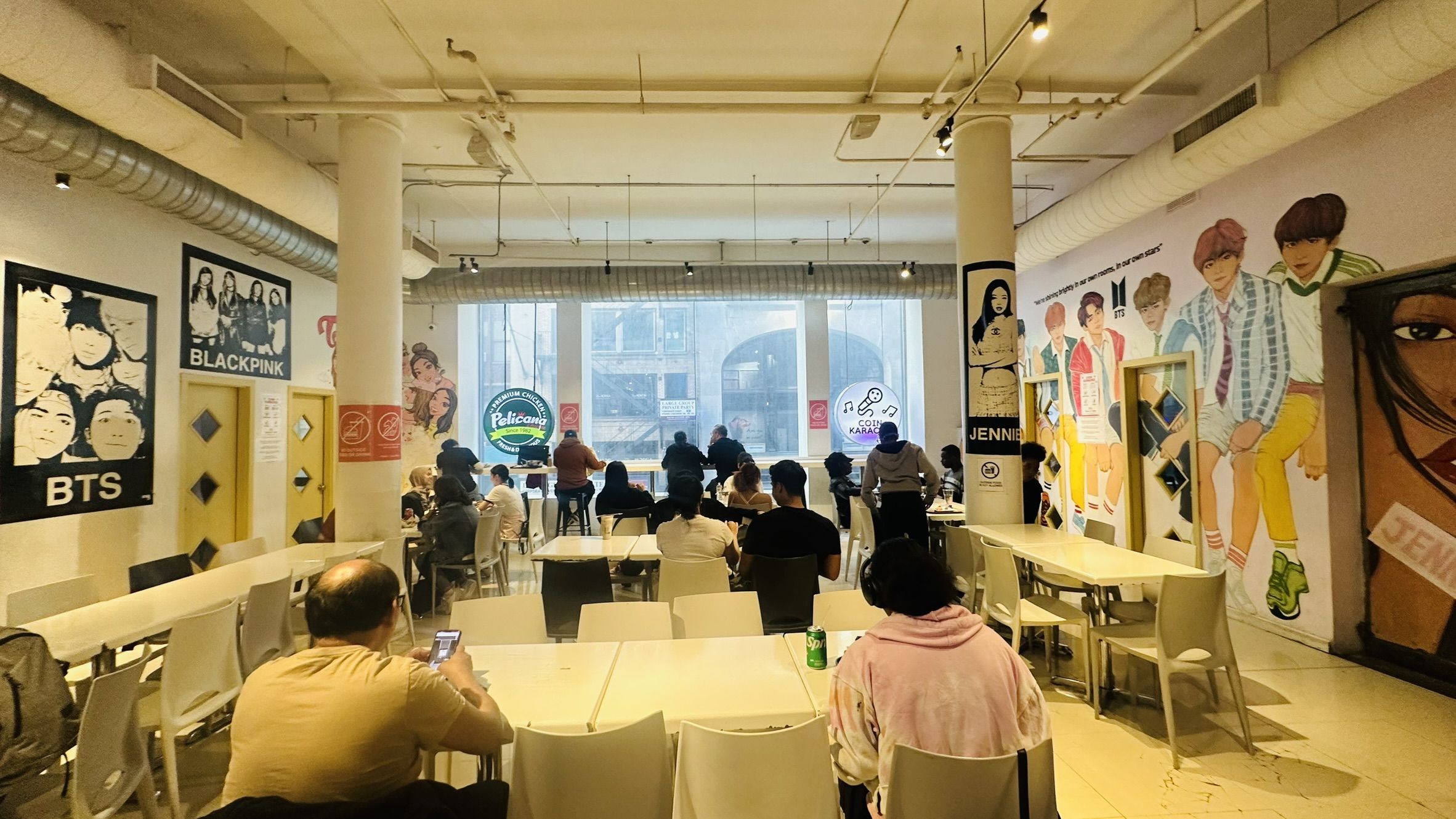

The 1990s: Seo Taiji Opens the Stage and the Birth of First-Generation Idols
In 1992, the debut of Seo Taiji and Boys marked a revolutionary turning point in Korean pop music. Their song I Know introduced hip-hop beats, rap, and dynamic dance performances that shattered the conventions of the domestic music scene. At a time when ballads and trot dominated, Seo Taiji voiced the frustrations and desires of a younger generation, opening a new chapter in Korean popular culture.
Their success reshaped the industry. Entertainment companies began experimenting with a fully managed “idol system.” The debut of H.O.T in 1996 set the model for manufactured star power: unified concepts, powerful performances, and an organized fandom that numbered in the hundreds of thousands. Fans wielded balloon colors and chants as symbols of allegiance. Soon after, groups like Sechs Kies, S.E.S, and Fin.K.L ushered in the first idol era.
Early forays into overseas markets also began. BoA broke into Japan, topping the Oricon chart, while H.O.T drew tens of thousands to concerts in China. Though still experimental, these efforts proved K-pop could find audiences beyond Korea’s borders.
The 2000s: Digital Revolution and the Wave of Hallyu
With the new millennium came a dramatic shift in music consumption. CDs gave way to digital downloads and streaming services, and K-pop adapted quickly to this new media environment.

The 2000s belonged to the second generation of idols. TVXQ dominated across Asia, earning the nickname “Kings of K-pop.” Girls’ Generation made waves with Gee, a viral sensation across Asia and beyond. Super Junior popularized the “large-member group” model and sub-unit activities. At the same time, BIGBANG carved out a distinctive sound rooted in hip-hop and R&B. Wonder Girls made history in 2009 with Nobody, becoming the first Korean act to enter the U.S. Billboard Hot 100.
Korean dramas amplified the reach of K-pop. Shows like Winter Sonata and Jewel in the Palace swept across Asia, with their soundtracks helping to spread Korean music to new audiences. Together, dramas and music forged the powerful cultural brand of “Hallyu,” the Korean Wave.
Fandom also evolved in this period. Fans organized online, producing subtitles, mobilizing for votes, and promoting their idols globally. This grassroots participation pushed K-pop from a domestic product into a global networked culture.
The 2010s: A Global Phenomenon Emerges
The summer of 2012 changed everything. Psy’s Gangnam Style exploded worldwide, becoming the first YouTube video to surpass one billion views. For the first time, a Korean song was not only popular abroad but had also become a global pop culture phenomenon.
But it was BTS who cemented K-pop’s place on the global stage. Debuting in 2013 from a relatively small agency, the group initially received little attention at home. Through the savvy use of social media and deeply personal lyrics about youth struggles and social issues, BTS built an international fan base that evolved into ARMY, one of the most organized and active fandoms in modern music history.
BTS went on to top the Billboard charts, perform at the Grammys, and even speak at the United Nations. Their fandom mobilized across continents, not only supporting the group but also engaging in charitable and social campaigns. BTS and ARMY together embodied a new model: fans as partners in shaping cultural impact.
Other acts also left their mark. EXO targeted both Korean and Chinese markets, TWICE leveraged a multinational lineup to dominate Asia, and BLACKPINK rose to global prominence, becoming the first K-pop girl group to perform at Coachella in 2019. By the late 2010s, K-pop had firmly established itself as a mainstream force in global music.
2018 and Beyond: Fourth Generation and New Experiments
Since 2018, a new generation of idols has emerged, born into the global era of K-pop. Groups like TXT, ITZY, aespa, NewJeans, and LE SSERAFIM have targeted international markets from the outset, designing strategies tailored to platforms such as Spotify, TikTok, and Instagram.
NewJeans leveraged TikTok virality to achieve meteoric success, while aespa introduced a unique concept by pairing members with virtual avatars in a metaverse narrative. These groups represent not only the continuation of the idol tradition but also experiments in merging pop culture with new technologies.
The industry’s economic weight has also soared. According to the Korea Creative Content Agency, K-pop exports surpassed $10 billion in 2023. Companies like HYBE, SM, YG, and JYP now operate as multinational entertainment conglomerates.
Yet challenges remain. Reports of trainee exploitation, intense fandom rivalries, concerns about artistic homogenization, and over-commercialization continue to spark debate. Meanwhile, innovations like AI-generated voices, virtual idols, and NFT merchandise raise both opportunities and questions about authenticity.
Experts suggest that K-pop’s future lies in becoming a global cultural platform that fuses technology, fandom, and creativity. The key question is whether another act can replicate or even surpass the global dominance achieved by BTS.
Conclusion
From the seismic debut of Seo Taiji and Boys in 1992 to the worldwide acclaim of BTS, the past 30 years of K-pop tell a story not only of music but of cultural transformation. What began as a local youth movement is now a cornerstone of South Korea’s soft power and a fixture of global pop culture.
The next 30 years remain unwritten. Yet one thing is certain: K-pop will continue to reinvent itself, staying at the forefront of global music and cultural innovation.
ⓒ New York and New Jersey. Unauthorized reproduction and redistribution prohibited.